


What Teaching Math—and Learning Hearing Conservation—Taught Me About How We Learn
Learning takes more than hearing something once. This article explores how connection, repetition, and practice help new information stick—and why understanding the “why” can make all the difference.
What Teaching Math—and Learning Hearing Conservation—Taught Me About How We Learn
Learning takes more than hearing something once. This article explores how connection, repetition, and practice help new information stick—and why understanding the “why” can make all the difference.
Year-End Compliance Check: Is Your Hearing Conservation Program Ready for Audit?
As the calendar year comes to a close, many organizations go into high gear: finishing projects, increasing production, scheduling audits, and preparing budgets. For safety

Fall Back into Safety: Why Hearing Conservation Matters This Season
The Seasonal Shift September marks the transition from summer to fall — with cooler mornings, shorter days, and a new rhythm for many industries. Construction

Back to Work, Back to Noise: Summer Hearing Safety for Workers
Summer is one of the busiest times of year for industries that rely heavily on heavy equipment, power tools, and outdoor work. Construction projects increase, landscaping crews stay busy, manufacturing shifts expand, and outdoor festivals bring new layers of occupational noise. While workers are used to the heat and hustle, one risk often goes unnoticed: the long-term effect of seasonal noise exposure on hearing health.

Hearing Conservation in High Gear: Summer Noise Risks
Summer is a season of celebration, growth, and – let’s face it – noise. From fireworks, festivals, and outdoor concerts to construction booms and busy
Compliance Without the Chaos: How to Simplify OSHA Readiness with OccuSound
If the thought of an OSHA inspection makes your heart race, you’re not alone. Keeping up with hearing conservation compliance can feel like chasing a
What Teaching Math—and Learning Hearing Conservation—Taught Me About How We Learn
Learning takes more than hearing something once. This article explores how connection, repetition, and practice help new information stick—and why understanding the “why” can make all the difference.
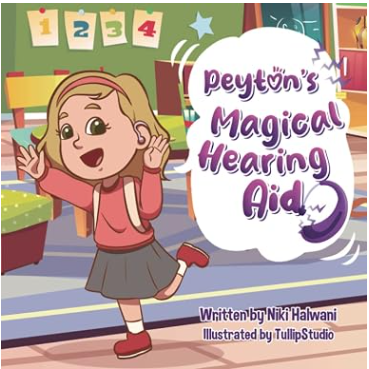
Why I Wrote Peyton’s Magical Hearing Aid
When Niki’s daughter Peyton started kindergarten with a hearing aid, she quickly realized that understanding was just as important as adjustment. Peyton’s Magical Hearing Aid grew from a mother’s desire to help children see hearing differences with curiosity, acceptance, and confidence.

The Ear’s Other Job: Why Balance Belongs in the Hearing Conservation Conversation
The inner ear does more than support hearing. Learn how balance concerns can affect workplace safety—and why they deserve attention in hearing conservation.

The Freedom to Choose: Making Hearing Protection Personal
Freedom of choice in hearing conservation is about more than offering several hearing protectors. It means helping employees find suitable options, understand proper fit and use, and revisit the choice when work conditions change.
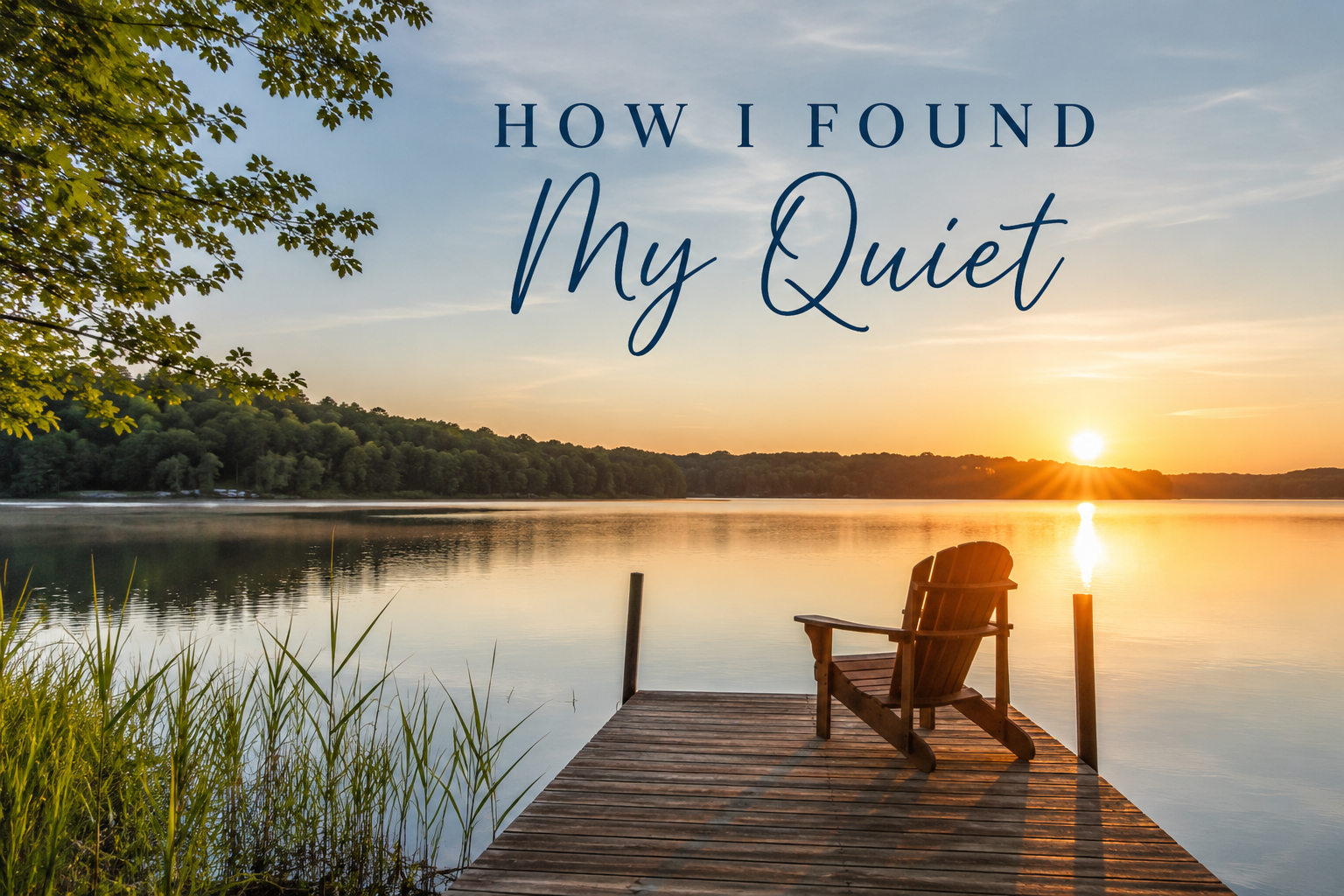
HOW I FOUND MY QUIET
Growing up surrounded by the sounds of Milwaukee, Jim never thought much about quiet—until a visit to a lakeside cottage changed the way he experienced it. In this reflection, he shares that moment and invites readers to consider where they find quiet.

When Hearing Begins: Why Awareness Matters in Workplace Noise
Hearing begins long before birth, and that has important implications for workplace noise exposure. This article explores how hearing develops in utero, how sound reaches the fetus, and why traditional Hearing Conservation Programs may need a broader perspective when supporting pregnant employees in noisy environments.

What Teaching Math—and Learning Hearing Conservation—Taught Me About How We Learn
Learning takes more than hearing something once. This article explores how connection, repetition, and practice help new information stick—and why understanding the “why” can make all the difference.
Why I Wrote Peyton’s Magical Hearing Aid
When Niki’s daughter Peyton started kindergarten with a hearing aid, she quickly realized that understanding was just as important as adjustment. Peyton’s Magical Hearing Aid grew from a mother’s desire to help children see hearing differences with curiosity, acceptance, and confidence.

The Ear’s Other Job: Why Balance Belongs in the Hearing Conservation Conversation
The inner ear does more than support hearing. Learn how balance concerns can affect workplace safety—and why they deserve attention in hearing conservation.

The Freedom to Choose: Making Hearing Protection Personal
Freedom of choice in hearing conservation is about more than offering several hearing protectors. It means helping employees find suitable options, understand proper fit and use, and revisit the choice when work conditions change.
HOW I FOUND MY QUIET
Growing up surrounded by the sounds of Milwaukee, Jim never thought much about quiet—until a visit to a lakeside cottage changed the way he experienced it. In this reflection, he shares that moment and invites readers to consider where they find quiet.

When Hearing Begins: Why Awareness Matters in Workplace Noise
Hearing begins long before birth, and that has important implications for workplace noise exposure. This article explores how hearing develops in utero, how sound reaches the fetus, and why traditional Hearing Conservation Programs may need a broader perspective when supporting pregnant employees in noisy environments.